Why Ground Work Can Go Wrong and How to Handle It
Common excavation challenges in foundation projects include unstable soil, hidden water, buried utilities, and poor site access. These issues can delay the job, raise costs, and weaken the foundation if not handled the right way. Knowing what causes these problems and how to fix them helps you plan better and avoid damage later.
Quick Diagnosis of Typical Problems
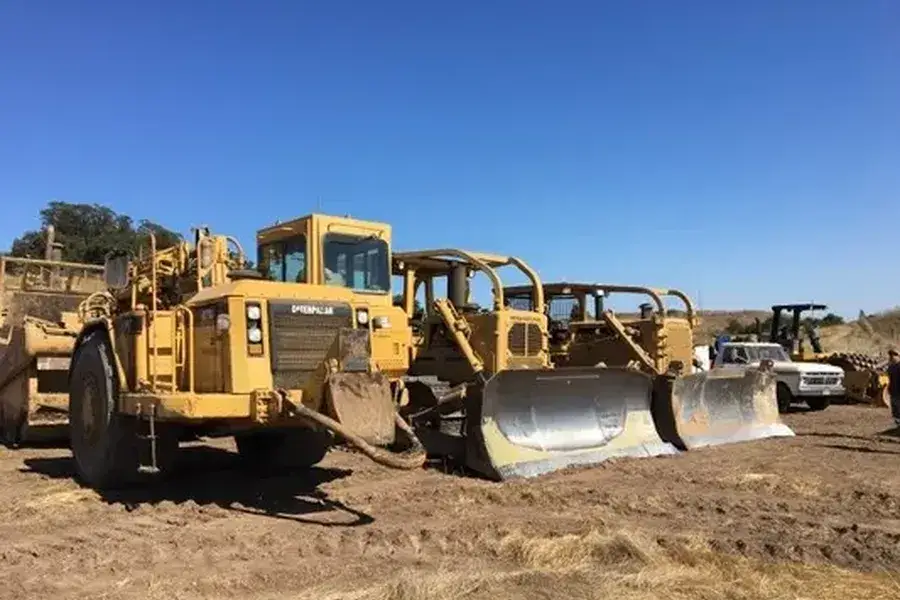
Most foundation problems during excavation start below the surface. The soil may shift after digging begins. Water may pool in the trench. Heavy equipment might not fit the space. Sometimes old pipes or cables are hit by mistake. These setbacks are common, but they can be managed with the right preparation and process.
Common Symptoms During Excavation
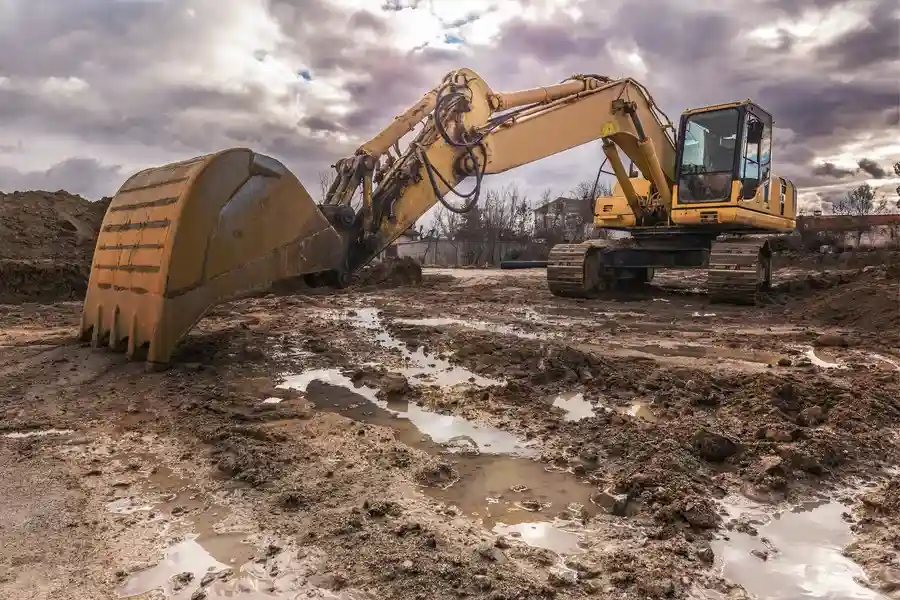
You can often spot warning signs early. Crews might notice trench walls cracking or caving in. The ground may feel soft and muddy even after dry weather. Equipment can sink or leave deep tracks. In some cases, the hole fills with water overnight. These symptoms mean the site needs closer review before the foundation is poured.
- Soil sliding back into the trench
- Standing water in the footing area
- Uneven trench depth
- Strong odors from disturbed old fill soil
- Unexpected concrete, roots, or debris underground
Likely Causes Behind These Issues
Soil type is one of the biggest causes. Clay expands when wet and shrinks when dry. Sandy soil can collapse without warning. Loose fill from past construction may not be compacted well. Poor drainage around the site can also lead to water buildup.
Weather plays a role as well. Heavy rain weakens trench walls. Freezing and thawing cycles shift the ground. On tight lots, limited access can restrict equipment movement and lead to improper digging angles.
Another common cause is unseen underground utilities. Water lines, sewer pipes, gas lines, or electrical conduits may not be exactly where old drawings show them. Hitting one can stop the project right away.
What to Check First Before Moving Forward
When problems appear, pause and review the site conditions. A soil test report is a strong starting point. It shows bearing capacity and drainage traits. Next, confirm utility markings and verify them with local services if needed.
Look at the slope of the land. Check how water flows after rain. If water moves toward the foundation area, drainage changes may be needed. Also inspect the edges of the trench for cracks or sloping. Safety should always come first during excavation.
Safe Fixes Vs Pro-Level Repairs
Some minor issues can be handled quickly on site. Removing loose debris or regrading small sections is simple enough. Pumping out shallow standing water may help in dry weather.
Other problems require skilled support:
- Installing trench shoring to stop collapses
- Adding gravel layers for drainage control
- Over-excavating and replacing weak soil
- Bringing in structural fill and compacting it in lifts
- Redirecting underground utilities
These tasks call for trained crews and proper equipment. Mistakes during this stage can affect the entire structure above. Foundation work connects directly to excavation quality, and small errors can lead to cracks or settlement years later.
Prevention Tips for Smoother Projects
Good planning reduces many excavation risks. Start with a soil study before digging begins. Schedule work during stable weather when possible. Mark and verify all utilities. Keep heavy equipment away from trench edges to avoid added pressure.
Proper drainage planning is also key. Installing temporary swales or pumps during construction helps keep the site dry. Clear communication between contractors, engineers, and property owners keeps everyone aware of site conditions.
Routine site inspections during the digging phase help catch small issues before they grow. When crews watch soil movement closely, they can adjust angles and depth right away.
Get Reliable Help for Your Foundation Project
Foundation excavation comes with real risks, but careful planning and skilled work keep projects on track. In Earlville, NY, soil and weather shifts can create unexpected challenges that demand quick action. At Dwayne James General Contracting, we handle excavation projects with trained crews and the right equipment to manage tough site conditions safely. If you are planning construction and want dependable support, call us at (315) 203-1957 to schedule a consultation and talk through your project in detail.