What You Should Do Before Lifting Your Home
Preparing your home for a house jacking project starts with clearing the space, protecting your belongings, and making sure the structure is ready to be lifted safely. You also need to plan for short-term disruptions like power shutoffs or limited access to certain areas. A little prep work makes the lifting process smoother and helps prevent damage inside your home.
What You Need Before Starting
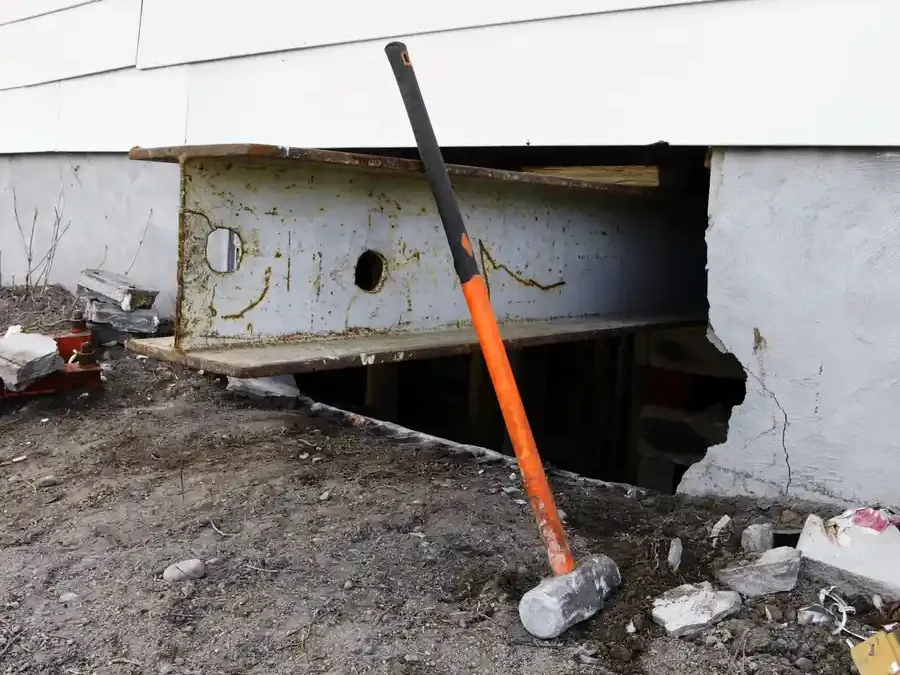
House jacking is the process of lifting a home with heavy-duty hydraulic jacks. It is often done to repair a failing foundation, add height to a basement, or correct structural settling. Before work begins, you need a clear plan.
Here is what you should have in place:
- A written scope of work from your contractor
- Any required permits from your city or county
- A temporary plan for pets and small children
- Access to crawl spaces, basements, or foundation walls
- Clear communication with your contractor
You may also want to speak with your insurance agent. Ask if your current policy covers structural lifting. It is better to ask early than be surprised later.
Step-by-Step: How to Prepare Your Space
Once your project is scheduled, follow these steps to get your home ready for house jacking.
- Remove fragile items. Take down wall art, mirrors, and shelves. Even small vibrations can cause items to fall.
- Empty lower cabinets and shelves. Dishes and glassware can shift during lifting.
- Disconnect utilities if requested. In some cases, plumbing, gas, or electrical lines need to be shut off.
- Clear the perimeter of the house. Move patio furniture, potted plants, and stored items away from exterior walls.
- Create a clear work path. Contractors need room to move beams, jacks, and other tools.
- Protect flooring. Use temporary floor coverings if workers will walk through finished areas.
These steps help prevent cracks in drywall, broken fixtures, and damage to personal property.

Common Mistakes to Avoid
Many homeowners forget that lifting a house affects the entire structure. Even a small lift shifts weight across walls, ceilings, and floors.
A few common mistakes include:
- Leaving heavy furniture packed with items
- Skipping a plumbing inspection before lifting
- Not labeling disconnected wires or pipes
- Blocking access to crawl spaces
Another mistake is staying inside the home during active lifting. For safety, you may be asked to leave for a short time. Plan ahead so this does not disrupt your day.
When to Call a Professional
House jacking is not a do-it-yourself project. It requires engineering knowledge, load calculations, and specialized equipment. Lifting a structure the wrong way can crack walls, damage the foundation, or even cause collapse.
You should call a professional if:
- You notice uneven floors or major foundation cracks
- Doors and windows no longer close properly
- Your home has settled several inches
- You plan to replace or rebuild the foundation
Trained crews use synchronized hydraulic systems to lift the home evenly. They monitor movement in small increments, often just fractions of an inch at a time. This slow and steady method reduces stress on framing and support beams.
If your project also involves other structural services, such as foundation repair or beam replacement, proper coordination is key. Good planning keeps the work on schedule and protects your investment.
Final Thoughts and Next Steps
Getting ready for house jacking takes planning, but it pays off. Clearing your space, protecting valuables, and talking through the process with your contractor can prevent costly damage. If you are in Earlville, NY and thinking about lifting your home, we can walk you through each step. At Dwayne James General Contracting, our team handles structural lifting projects with care and attention to detail. Call us at (315) 203-1957 to schedule a consultation and get your home ready the right way.