Simple Steps That Keep Water Away From Your Home’s Base
Protecting foundations from water intrusion starts with keeping water away from the base of your home. Water should flow away from the walls, not toward them. Good drainage, sealed cracks, and regular checks can stop leaks before they begin. When rain and groundwater stay under control, your foundation stays strong and dry.
Why Prevention Matters
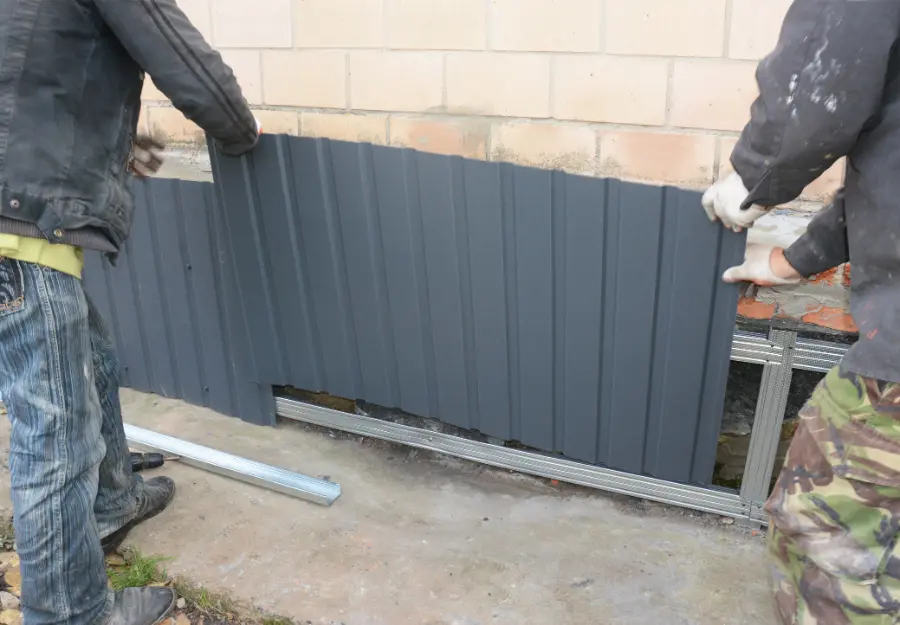
Your foundation holds up your entire home. When water seeps in, it can cause cracks, mold, and shifting soil. Over time, this can lead to uneven floors and stuck doors. Small leaks can turn into big repairs if ignored.
Basement waterproofing & drainage systems help move water away before it builds pressure against your walls. Without these systems, water has nowhere to go. It pushes against concrete and finds weak spots. Prevention costs less than structural repair.
Early Warning Signs of Water Trouble
Water problems often start small. If you catch them early, you can limit damage.
- Damp spots on basement walls
- Musty smells that will not go away
- White, chalky lines on concrete
- Small cracks along the floor or walls
- Pooled water near the outside foundation
If you notice one or more of these signs, act quickly. Waiting allows moisture to spread and weaken materials.
Seasonal Home Checklist
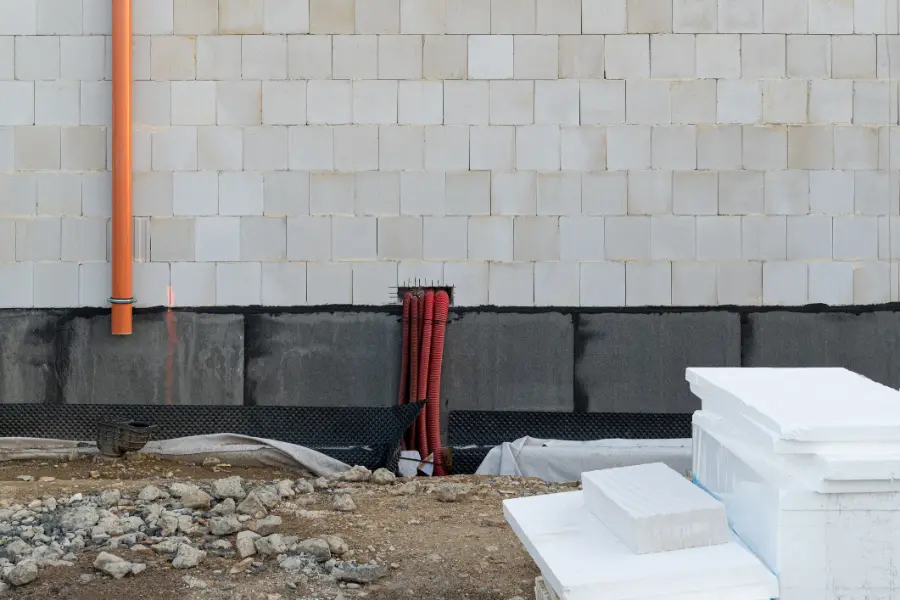
Each season brings different weather. Rain, snow, and heat all affect the soil around your home. A simple routine each year helps reduce risk.
- Clean gutters and downspouts in spring and fall.
- Extend downspouts at least 4 to 6 feet from the house.
- Check yard grading so soil slopes away from the foundation.
- Inspect basement walls for new cracks.
- Test your sump pump before heavy rain season.
- Clear debris from window wells.
These steps support your basement waterproofing & drainage efforts. When gutters clog, water spills over and soaks the ground below. When soil slopes the wrong way, rain flows back toward your home instead of away from it.
Best Practices for Long-Term Protection
Long-term protection takes more than quick fixes. Think of your home as a system. The roof, gutters, soil, and foundation all work together.
Install a reliable sump pump with a battery backup. Power outages often happen during storms. Without backup power, your system may fail when you need it most.
Apply waterproof coatings to basement walls when building or remodeling. Seal visible cracks with approved materials. Keep landscaping trimmed so roots do not trap moisture against walls.
If your home sits in a low area, you may need a French drain or exterior drain tile. These systems move ground water away before it reaches your concrete. Basement waterproofing & drainage plans should match your soil type and lot layout.
What Not to Do
Some homeowners try quick patch jobs that only hide the issue.
- Do not paint over active leaks.
- Do not ignore small cracks.
- Do not pile mulch against siding.
- Do not block foundation vents.
Covering up symptoms does not stop water pressure. It often makes the problem worse. Water needs a path away from your home. Blocking airflow or trapping moisture can lead to mold and wood rot.
When to Schedule Professional Help
Some issues go beyond basic upkeep. Large wall cracks, repeated flooding, or bowing foundation walls need expert attention. If water returns after heavy rain, there may be a drainage failure below ground.
A professional inspection can identify weak spots in your current basement waterproofing & drainage system. Experts can test sump pumps, review grading, and recommend interior or exterior solutions. Early action can stop structural damage and protect your home’s value.
Protect Your Foundation Before Problems Grow
If you live in Earlville, NY, seasonal storms and shifting soil can put stress on your foundation. At Dwayne James General Contracting, we provide thorough inspections and reliable basement waterproofing & drainage solutions designed for long-term protection. Call (315) 203-1957 to schedule an evaluation and let us help keep your home dry and stable for years to come.